Behavior Is Communication Autism: Understanding and Applying the Concept
Behavior is Communication Autism refers to the idea that individuals on the autism spectrum often express their needs, emotions, and thoughts through behaviors rather than verbal communication. This concept is foundational in understanding and supporting individuals with autism, as it emphasizes the importance of interpreting nonverbal cues and behavioral patterns as a form of expression.
Why Behavior Is Communication Autism Matters
For many people, especially those working in education, healthcare, or caregiving, understanding that behavior is a form of communication can be transformative. It allows for more effective interaction and support, reducing misunderstandings and fostering better relationships. This principle is particularly important when working with children or adults on the autism spectrum who may have limited verbal skills.
Individuals interested in Behavior is Communication Autism may be parents, educators, therapists, or caregivers looking for practical strategies to improve communication and reduce challenging behaviors. Others might be designers or creators developing educational materials, visual aids, or craft products that promote autism awareness and understanding.
Benefits of Embracing Behavior as Communication
- Improved Communication: Recognizing behavior as communication helps bridge the gap between individuals with autism and those around them.
- Reduced Misunderstandings: By interpreting behaviors correctly, caregivers and professionals can respond more effectively, leading to fewer conflicts.
- Enhanced Support Strategies: Tailoring interventions based on behavioral cues can lead to more personalized and effective support plans.
Considerations and Tradeoffs
While the concept of behavior as communication offers numerous benefits, it also requires time, patience, and training to implement effectively. Professionals and caregivers must be willing to invest in learning how to interpret different behaviors accurately. There's also a risk of misinterpreting behaviors if not properly trained, which could lead to ineffective or even harmful responses.
Additionally, this approach may not be sufficient on its own. It should be used in conjunction with other communication strategies such as speech therapy, visual supports, or assistive technology.
Situations Where Behavior Is Communication Autism Fits Well
This concept is most applicable in settings where direct verbal communication is limited or difficult. For example, in early childhood education, special education classrooms, or therapeutic environments, recognizing behavior as communication can be a powerful tool for support and engagement.
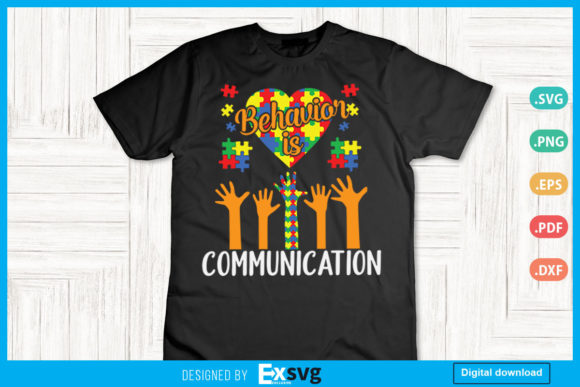
It is also highly relevant for individuals creating autism awareness materials, such as visual guides, educational posters, or graphic designs that convey the message that behavior is a form of communication. These resources can be valuable for both educational and advocacy purposes.
When Alternatives May Be Worth Considering
In some cases, alternative approaches may be more suitable depending on individual needs. For instance, if an individual has strong verbal abilities, traditional communication methods may be more effective. Similarly, if a person is nonverbal but uses alternative communication systems like picture exchange systems (PECS) or augmentative and alternative communication (AAC) devices, these may be more appropriate than focusing solely on behavioral interpretation.
It's also worth considering that while behavior is a form of communication, it can be influenced by various factors such as sensory overload, anxiety, or medical conditions. In such situations, addressing the underlying cause may be more effective than simply interpreting the behavior itself.
Practical Decision-Making Insights
If you're evaluating whether Behavior is Communication Autism aligns with your goals, consider the following:
- Assess the Individual’s Needs: Determine whether the person you are supporting primarily communicates through behaviors or has other established communication methods.
- Evaluate Your Resources: Are you prepared to invest time and effort into learning how to interpret and respond to behaviors effectively?
- Combine with Other Methods: Use behavior as communication alongside other strategies for a more comprehensive approach.
- Seek Professional Guidance: If possible, consult with experts such as speech therapists or behavioral specialists to ensure accurate interpretation and response.
For those interested in creating visual materials related to autism awareness, downloadable design files such as SVG, DXF, EPS, PDF, and PNG formats can be a useful resource. These files are compatible with cutting machines like Silhouette and Cricut and can be used to create items like T-shirts, mugs, wall art, and more. When using these files, it’s important to ensure your machine is compatible with the chosen format.
Whether you're designing for personal use or as part of a handmade business, incorporating themes like “Behavior is Communication” into your designs can raise awareness and support the autism community. Always check your machine's compatibility and review the design specifications before proceeding with any project.